Goose Village: A Lost Neighborhood of Montreal
Nestled along the banks of the Lachine Canal once stood a vibrant and tightly knit neighborhood known as Goose Village. Today, it exists only in memory—a lost fragment of Montreal’s layered urban history, shaped by migration, industry, and transformation.
Goose Village emerged in the mid-19th century, initially settled by Irish immigrants fleeing the Great Famine. Its name is said to come from the geese that roamed freely through the area, but what truly defined the neighborhood was its people. Over time, it became home to a diverse population of newcomers, forming a resilient and interconnected community grounded in shared experience and mutual support.
Daily life in Goose Village was marked by both hardship and vitality. Though poverty and overcrowding were common, residents built a rich social fabric through local shops, taverns, and informal gathering spaces. These places fostered a strong sense of belonging, where culture, labour, and solidarity intertwined in the rhythms of everyday life.
As Montreal industrialized, the neighborhood’s proximity to the canal placed it at the heart of the city’s economic expansion. Factories and warehouses rapidly filled the surrounding landscape, bringing employment but also pollution and increasingly difficult living conditions. Many residents worked in nearby industries under demanding conditions, their lives deeply tied to the industrial engine shaping the city.
By the mid-20th century, however, Goose Village faced a different kind of force: urban renewal. In the 1960s, the construction of the Bonaventure Expressway and related infrastructure projects led to the neighborhood’s demolition. Families were displaced, homes were destroyed, and an entire community was erased in the name of progress.
Today, little physical evidence of Goose Village remains. Yet its legacy endures through memory, storytelling, and ongoing efforts to preserve its history. Oral histories, commemorative markers, and community initiatives continue to honour the lives that once animated its streets.
In many ways, Goose Village stands as a powerful symbol of Montreal’s evolution—illustrating both the opportunities and the human costs of urban development. Though the neighborhood has vanished from the map, its story persists, reminding us of the importance of remembering and valuing the communities that shape our cities.
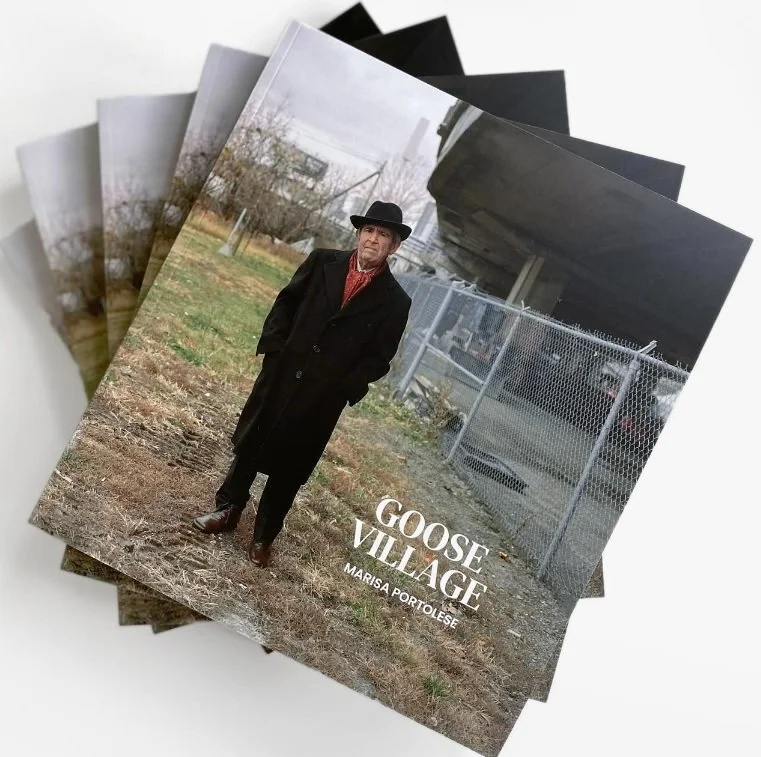
Goose Village - Marisa Portolese
Montreal artist Marisa Portolese presents "Goose Village," a powerful publication unveiling the lost history of a vibrant neighbourhood decimated by urban development in the 1960s. Released on November 4, 2023, this first edition chronicles the once-thriving Goose Village in Pointe-Saint-Charles, Montreal, and the lives of its displaced inhabitants.